My writings - and those of others.

Choices

Climate issues are new to me in terms of training and background. Beginner’s mind is a perpetual state. It does mean that there are plentiful resources to educate myself - and one of the best is Yale Climate Connections. Some weeks there are tales of doom and gloom but there are also many positive stories that point us in good directions.
A recent article suggests three options going forward
Countries can work together to reduce greenhouse gas emissions to decrease global warming
Governments and other organizations can do what they can to protect the livelihoods of those affected by the changes that are already happening and we can’t prevent them
We can ignore the need to change and deny the problem. Our children and our ecosystems
will pay the price
Their chart shows the seriousness of the consequences. The planet’s temperature is increasing because of human action. We can’t reset the thermostat.

Some of the risks seem unstoppable. The efforts have to be long term and sustainable. There are clearly economic costs but there are also encouraging signs that renewable energy is more viable and more accepted. While the US is the largest emitter of greenhouse gases, Canada is far from innocent. Our first nations people can teach us much about thinking of the generations to come rather than remaining fixated on our own comfort and welfare.
Comparisons

This is Bill McKibben’s take on why Facebook and the oil companies think in the same way
“For decades, people have asked me why the oil companies don’t just become solar companies. They don’t for the same reason that Facebook doesn’t behave decently: an oil company’s core business is digging stuff up and burning it, just as Facebook’s is to keep people glued to their screens. Digging and burning is all that oil companies know how to do—and why the industry has spent the past thirty years building a disinformation machine to stall action on climate change. It’s why—with the evidence of climate destruction growing by the day—the best that any of them can offer are vague pronouncements about getting to “net zero by 2050”—which is another way of saying, “We’re not going to change much of anything anytime soon.” (The American giants, like ExxonMobil, won’t even do that.)
(From an article recently appearing in The New Yorker)
The Way to Net Zero
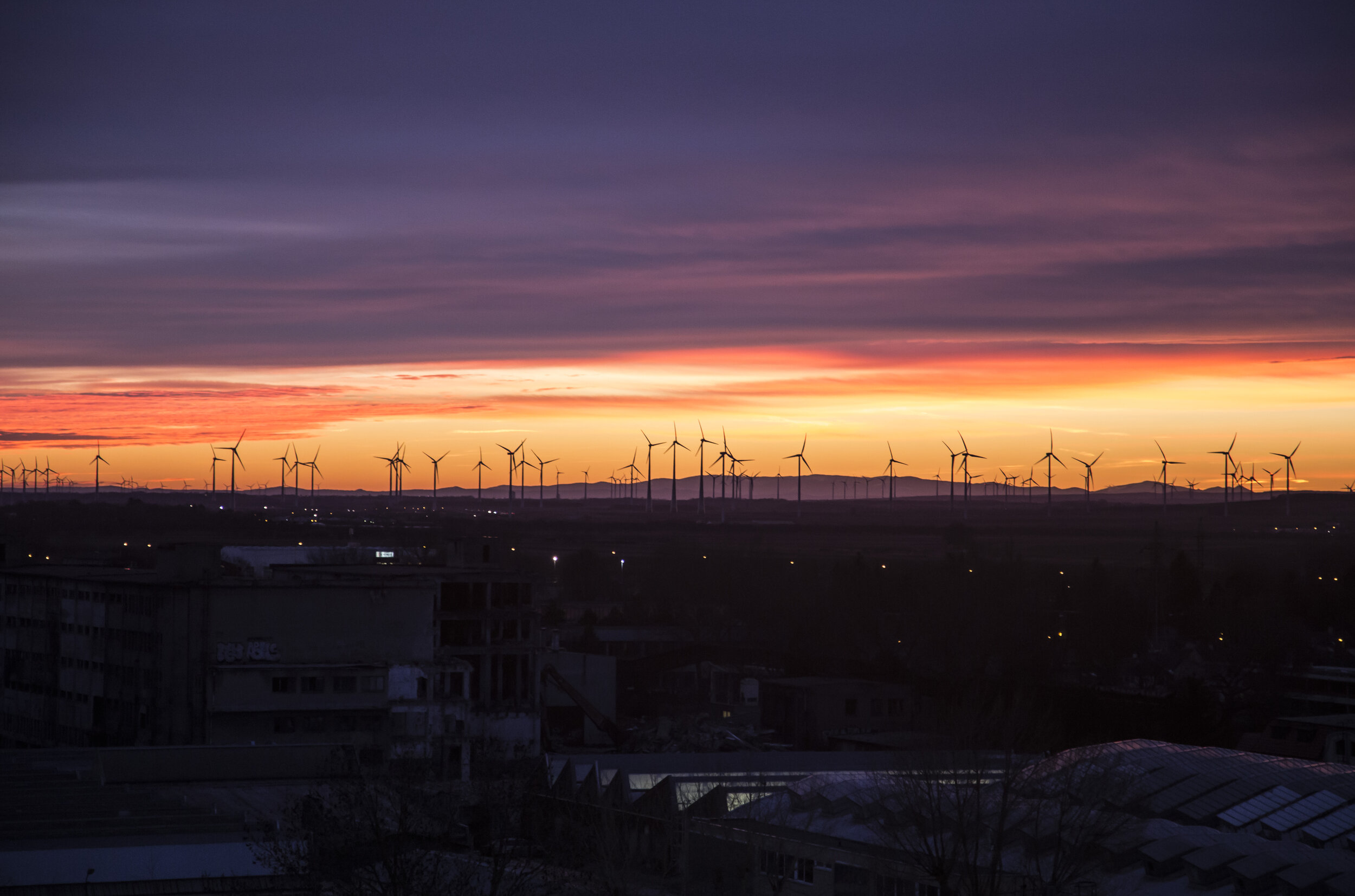
In the midst of two crises - the pandemic and climate change, it’s easy to forget the promises that goverments made re the latter - to bring carbon emissions to net zero by 2050 - that’s thirty years away. It seems a long time except we also promised to be half way there by 2030 - and we are not even close.
I heard Isabel Turcotte, The Pembina Institute’s Director of federal policy speak at a seminar of the University of Toronto’s Department of the Environment late last year - and she has recently written a good article for Corporate Knights, outlining some principles that the corporate world needs to follow - reminding us that goals are not solely about government initiatives.
Carbon budgets are necessary to measure progress. We have to know where we stand and whether we are making progress or just talking
We have to start early. It’s no point in having a long term goal and delaying putting it into action.
We have to effect the reductions by using all the tools at hand - not just one.
Corporation s have to work together and initiate policy - Turcotte terms it “turning up the heat.
Good reminders.
What works for one . . . .

.The mantra - usually ignored by You Know Who for Covid-19 is “Listen to the Scientists” . Would that it also be the one for Climate Change. We see many admonitions on the pandemic from jounrnalists that are contradictory and confusing - and some of the time they blame the scientists for changing their tune. What they don’t seem to recognize is that authentic science is fact based. When new science emerges from studies of evidence, the message can change.
That said, the scientic message too often produces despair rather than reflection leading to action. But there is a response to good listening. One of my listening posts is Yale Climate connections. You can read their latest offering here.
Back to normal or forward to new?

CHRISTIANA FIGUERES AND TOM RIVETT-CARNAC wrote a good article in a recent issue of Fast Company..
These excerpts challenge us.
In just a few short months the health crisis has already provided valuable insights applicable to the climate change crisis. We have learned that global challenges are in fact global, as they stop at no border and spare no geography. We have learned that global challenges require both governmental policy measures and individual behavioral changes and that both can be enacted quickly. We have relearned that it is best to prevent rather than to cure, and to do so with measures based on science rather than fantasy. Finally, we have learned that no one is safe until we are all safe.
We are all in this together, and there is an urgent need for building community and collaborating across governments, corporations, the financial sector, and civil society.
The health crisis is a bitter foretaste of what climate change might bring: massive social breakdown, permanent poverty, and economic devastation for decades to come. Having experienced the social and economic trauma of the health crisis, we should decide not to tempt our fate any further.