My writings - and those of others.

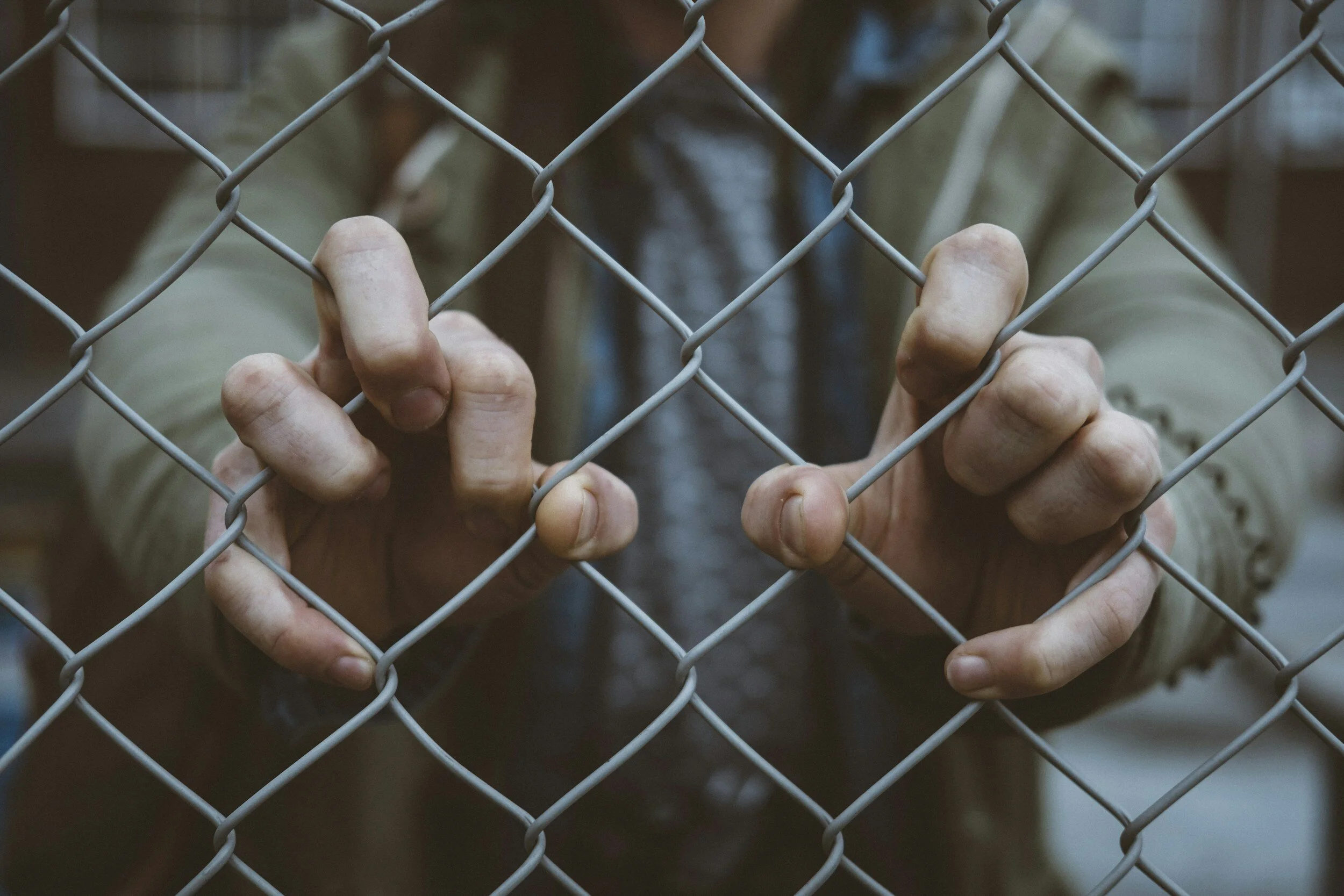
Breaking Down Walls
Decades ago when I was an undergraduate, Professor Philip Child used to depart from his lecture topic to recommend a particular book, which might or might not have related to the subject of the lecture. I wish I had kept those suggestions.
But the principle of passing on good recommendations remains. We are engrossed with suggestions about how to treat the war in Gaza without a complete context of why things have happened. I was fortunate enough to be in a meeting recently where there was a recommendation of a recent book, published just before the events of October 7th which provides both context and wisdom in dealing with our friends and neighbours.. Reading it - and engaging in the suggestions of its authors would help us all.

.The Subtitle is important - What Jews and Palestinians Don’t Want to Know About each other. There is also a very good YouTube video of these authors presenting their important thesis of a way forward.

Recycling?
Living in a big building and looking out on five huge bins for pick on the street below, I’m well aware of how much stuff I and my fellow apartment dwellers are throwing out in god faith that it matters. Yale Climate Connections recently exposed a few myths:
Just putting stuff in the recyling bin - even when following local guidelines - does not guarantee that recycling happens. Much of it still ends up in the garbage. To make it worse, the triangular symbol for recycling isn’t trademarked and anyone can use it.
Recycling is not the best thing we can do. Three things that would be better are: not driving a car, not flying somewhere, and not eating red meat. It also wouldn’t hurt to vote for the party that cares the most about the environment. The last one here probably hurts the least and matters the most.
Reduce, re-using and recycling are not equally beneficial. The first two are much more valuable.
Not everyone can recycle - and some have bigger priorities - for example indigenous communities trying to keep oil rigs or coal plants off their land
Education is weak about the impacts. There is very different experiences for those who have to live near land fill sites. We all need to be educated re greenwashing and call it when it happens.

Civility
Is it even possible in politics? The new game is, “Be as nasty as possible toward the OTHER”. As I watch our American neighbour I am struck by how it always has to have something or someone to be against to affirm its own identity. When that stopped being Russia, it turned inward and was against gays and then moved on to trans-sexuals. But now it is anyone in the other party. And politicians say it is ok for a presidential nominee to denounce the military just because the other party is equally nasty. Has it really come to this?
As observers of events in other parts of the world, some Canadians perhaps are less judgmental but we have not the same history as many others who live here. That’s why I would highly recommend a book I came across recently with the title The Wall Between, What Jews and Palestinians don’t Want to Know About Each Other. The authors, who represent both faiths turned their own conversations into a useful book that details history that most of us have neither lived through nor understood. What they have tried to share is a principle of justice. We’re at a very early stage of awareness let alone judgement. It’s a place to start.

Why humanities?
Like anyone who graduated in English Language and Literature decades ago, I read of the growth of STEM and the fading of English and history courses with alarm. Apparently now I am not alone, according the this Saturday’s Globe and Mail, This decline now has an economic cost. Imagine - people have no sense of history, philosophy and literature can’t communicate and art good at the art of the deal. The article tells me that people can’t apply ethical frameworks to machine learning, biotechnology or nanomedicine. I’ll have to look that last one up.
Business leaders are starting to get worried that their workforce doesn’t have a broad understanding of the world. I have every respect for one of the people cited in the article because I met his parents some years ago when they were generous donors to a professional choir and actually enjoyed what they performed. And know he follows their example by attending and supporting the symphony, so he may be not be the best example of the writer’s point in the article.
Learning judgment - weighing evidence. How have we learned these things? Maybe through being read stories at a very early age, and later as children, young adults and throughout the rest of our lives by reading novels, poems, essays, drama, history and philosophy and even theology perhaps. When we don’t have these, the article writer says, we become poorer, “not just culturally but economically”. - oh so that’s the thing - he thinks the arts are really just equipping us to make more money for ourselves after all.
The article does appear in the business section. But isn’t being poor economically but rich culturally a choice that we might want to consider even there? I’ve been the beneficiary of my father’s business career and he went from starting as the thirteenth employee of a mid-sized Canadian insurance company to completing his working life there as the chairman of the board. In his retirement, he finally had the chance to play the piano every day and he painted well enough to have one of his works in the local art gallery - but he did these things all along. He didn’t have the benefit of my liberal arts education, having to go straight to work to support his widowed mother in the depression. Surely the benefit of the liberal arts isn’t to make us become more competitive and make more money. Let’s get real. Studying the humanities is an opportunity to become more human and stand in awe of all the world’s splendor and all its pain.

Two visions
There are a lot of articles about the two American parallel universes that we are going to have to live with for the coming months. I’m already trying to wean myself from any political articles on this without total success. I was nevertheless impressed by another duality that Tom Friedman talks about in the the New York Times this morning - These are networks of nations with opposing battlefronts. He calls them “resistance” and “inclusion”.
They also have some common elements, One tries to bury the past. The other tries to work toward a more connected and balanced future. Russia and Ukraine are one pair. The Middle East is more complicated but also has opposing forces. The same alternatives might be seen in the United States.
Life is not quite that simple, of course. There are elements of the past that we are discarding and immediately adapting the new thing - like an acquaintance who thinks AI can solve all kinds of things that it clearly can’t. We have abandoned some of the civility that creates a greater degree of trust. On the other hand we hang on to things that don’t seem to please anybody in a new and changing world. But perhaps “either-or” needs to give way to “both-and”.